


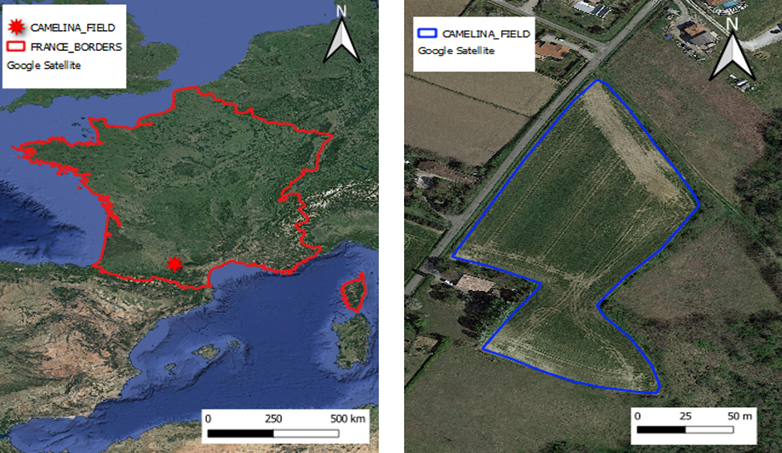
One of the main targets of the 4CE-MED (Camelina: a Cash Cover Crop Enhancing water and soil conservation in Mediterranean dry-farming systems) project is to define, optimize, and test under real operational conditions locally tailor-made 4CE-MED solutions to adopt camelina as a low-input cash cover crop, assuring short term economic profit to Mediterranean farmers (WP2). CREA, one of the Italian partners of the project, performed experimental tests in collaboration with ARVALIS investigating the possibility of anticipating camelina harvesting and assessing which strategy is more effective. To meet the goals, in an experimental field, Camelina was harvested by direct combining (DC) in comparison to swathing and combining (SW). The advantages and disadvantages of each system were assessed.
The experimental field is located in the territory of Montesquieu-Lauragais, Toulouse (France), and has an extension of 1.7 ha. According to the experimental layout applied by Arvalis, the field was divided into 2 parts, one for treatment (SW) and one for treatment (DC).
Swathing and Combining treatment (SW)
The swathing of Camelina was performed on 30th of May by using a Shelbourne machine for forage harvesting 5.45 meters wide at 35 % of seed moisture content. The 7th of June combining operation was carried out with a John Deere T560i harvester machine. The drying process of the swathed biomass allowed a reduction of the seed moisture content that at time of harvesting was 13 %. The camelina seed yield was 1.2 tons/ha and seed losses during combining were around 9 %.
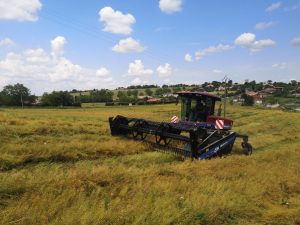
Image 1 swathing machine Shelbourne at work.
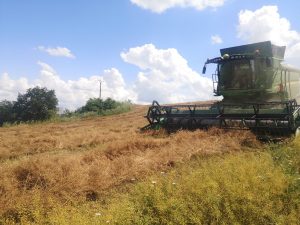
Image 2 Combine John Deere T560i at work.
The effect of swathing on biomass moisture content. (A) Standing crop – (B) Swathed biomass.
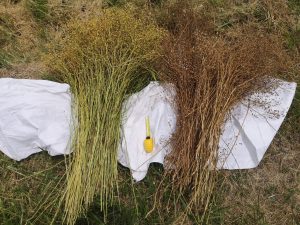
Image 3 Comparison photo between (DC) and (SW) treatment
Direct combining (DC)
The harvesting of the (DC) treatment took place on 16th of June using the same combining machine used for treatment SW. The seed moisture content was 10 %. The camelina seed yield was 1.5 tons/ha and seed losses during combining were around 6 %.
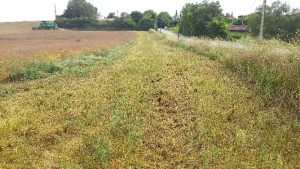
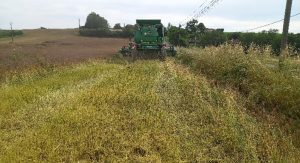
Image 4-5 Combine at work.
Preliminary results
Analysing and comparing the results obtained from the two treatments we can deduce that:
- The treatment (SW) shortened the culture cycle about 10 days than the treatment (DC). This result is very important to anticipate the sowing of the following primary crop.
- The seed yield of the treatment (SW) was 1217.1 kg/ha compared to that of the treatment (DC) which was 1537.2 kg/ha. This difference was also detected in the pre-harvesting study so is not due to the treatments but to the condition of the biomass in the field.
- Regarding seed loss, in the treatment (SW) the swathing and drying process did not significantly influence the seed losses.